| SchumacherSE-4020 Repair Parts | ||
| Part No. | Description | Qty |
| 0090026125 | 115 Volt Power Cord | 1 |
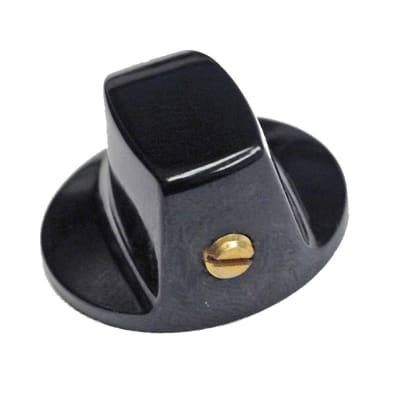
| 0099000045 | Knob for Selector Switches on SESeries Chargers | 1 |
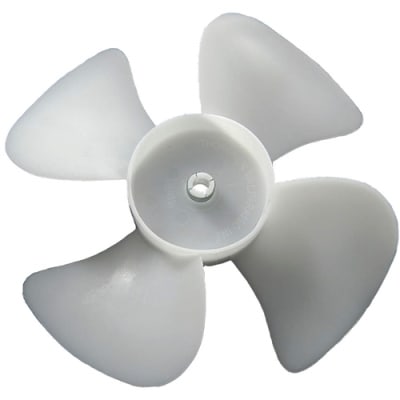
| 0099000062 | Fan Blade | 1 |
| 0099000063 | Fan Motor Open Frame 115 Volt | 1 |
| 0099000066 | Battery Charger Axle 3/8"Diameter | 1 |
| 0099000080 | Wheel 6" Plastic for 3/8"Diameter Axle | 1 |
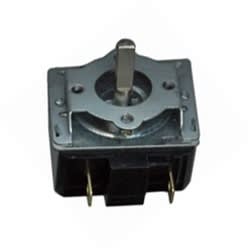
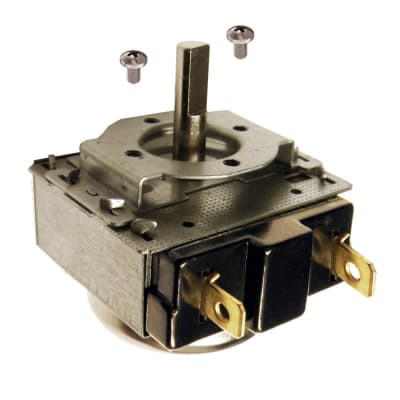
| 0099000094 | 135 Minute Timer Mechanical withHold | 1 |
| 0099000096 | Knob for Timer Switches on SESeries Chargers | 1 |
| 0499000022 | 6 Position Rotary SelectorSwitch (Old Style) | 1 |
| 0499000051 | 6 Position Rotary Selector Switch | 1 |
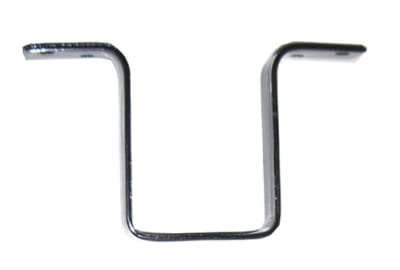
| 1199003352 | Metal Foot | 1 |
| 2199700006 | Axle End Cap 0.375" DiameterAxle (Pair) | 1 |
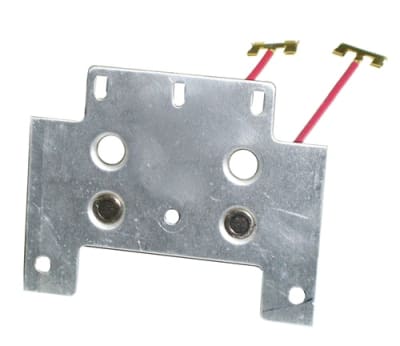
| 2299000649 | Heatsink Rectifier Assembly | 1 |
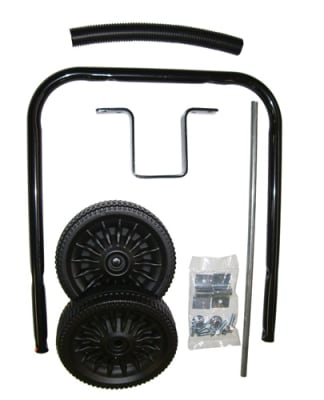
| 2299001023 | Battery Charger Wheels - HandleHardware Kit | 1 |
| 0099001542 | 12 Volt DC Fan Speed Controller | 1 |
| 2299001552 | Heatsink Rectifier Assembly | 1 |
| 2299001565 | Fan Motor 12 Volt DC MuffinUltra Quiet | 1 |
| 2299001651 | Heatsink Rectifier Assembly | 1 |
| 2299002310 | 12 Volt DC Fand Speed Controller(Two Wire) | 1 |
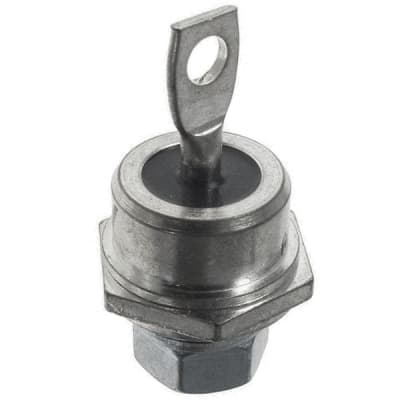
| 3100100032 | Diode Anode on Lead 90 Amp | 1 |
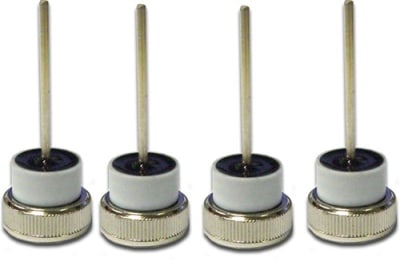
| 3199100028A | 75 Amp 400 Volt Positive Diode(Set of 4) | 1 |
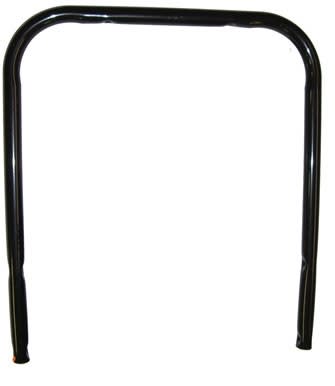
| 3599000210 | Battery Charger Handle | 1 |
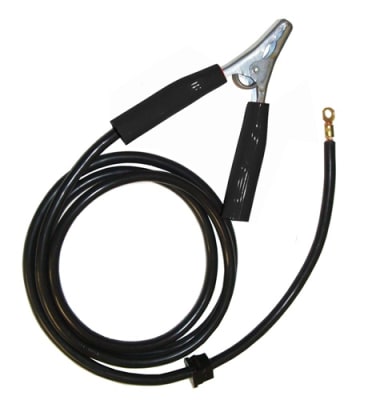
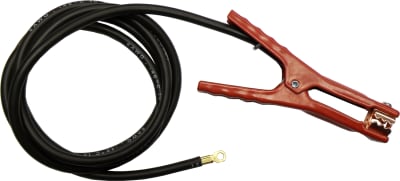
| 3899001140 | Output Cable and Clamp BlackNegative 6 AWG 80" | 1 |
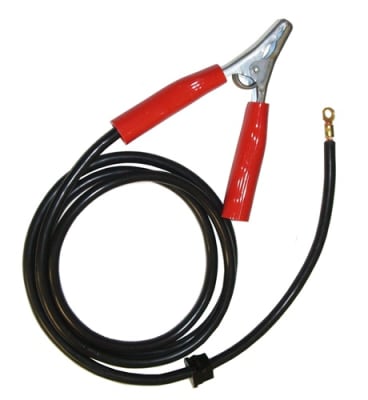
| 3899001141 | Output Cable and Clamp RedPositive 6 AWG 80" | 1 |
| 3899001968 | Output Cable and Clamp BlackNegative 6 AWG 83" | 1 |
| 3899001969 | Output Cable and Clamp RedPositive 6 AWG 88" | 1 |
| 3999000057 | Circuit Breaker 12 Volt 50 Amp | 1 |
| 3999000108 | Circuit Breaker 32 Volt DC 100Amp | |
| 4999001229 | Fan Motor 12 Volt DC MuffinUltra Quiet | |
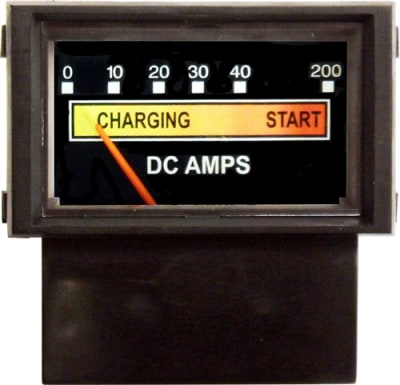
| 5399100082 | Ammeter Horizontal 0-200 AmpRange | |
| 5399100141 | Ammeter Horizontal 0-200 Amp | |
| 8019K96 | Single Male to Double MaleSplitter Piggyback Spade Terminal (Pair) | |
| Schumacher SE-2254, SE-2352, SE-3000, SE-3612, SE-4020, SE-4022, SE-5025, SE-6030 & SE-8050Troubleshooting Guide | ||
| PROBLEM | POSSIBLE CAUSE | SOLUTION |
| No reading on the ammeter. | Charger is not plugged in. | Plug the charger into an A.C. outlet. |
| No power at the receptacle. | Check for open fuse or circuit breaker supplying A.C. outlet. | |
| Clips are not making a good connection to the battery. | Check for poor connection to battery and frame. Make sure connection points are clean. Rock clips back and forth for a better connection. | |
| Connections are reversed. | Unplug the charger and reverse the clips. | |
| Battery is defective (will not accept a charge). | Have battery checked. | |
| 2 amp charge rate is being used. | Ammeter may show no activity at the 2A charge rate. | |
| Ammeter reading stays high. | Battery is severely discharged. | Continue charging battery for two more hours. If problem continues have the battery checked. |
| Wrong battery voltage. | Verify the voltage settings or output ratings on the charger are correct. | |
| Ammeter reads less than selected charge rate when charging a discharged battery. | Extension cord is too long or wire gauge is too small. | Use a shorter or heavier gauge extension cord. |
| Weak cell or sulfated plate in battery. | A sulfated battery will eventually take a normal charge if left connected. If the battery will not take a charge, have it checked. | |
| Battery is only partially discharged. | Continue to charge the battery. | |
| The charger is making an audible clicking sound. | Circuit breaker is cycling. | The settings may be wrong. Check the charger settings. |
| Battery is defective. | Have the battery checked. | |
| Shorted battery cables or clips. | Circuit breaker cycles when current draw is too high. Check for shorted cables or clips and replace if necessary. | |
| Severely discharged battery, but otherwise it is a good battery. | The battery may not want to accept a charge due to a run-down state. Allow charging to continue until battery has a chance to recover sufficiently to take a charge. If more than 20 minutes, stop charging and have the battery checked. | |
| Reverse connections at battery. | Shut the charger off and correct the lead connections. | |
| Charger makes a loud buzz or hum. | Transformer lamination's vibrate (buzz). | No problem; this is a normal condition. |
| Shorted Diode Assembly or Output Rectifier Assembly (hum). | Have charger checked by a qualified technician. | |
| Short or no start cycle when cranking engine. | Drawing more than the engine start rate. | Crank time varies with the amount of current drawn. If cranking draws more than the engine start rate, crank time may be less than 3 seconds. |
| Failure to wait 3 minutes (180 seconds) between cranks. | Wait 3 minutes of rest time before the next crank. | |
| Clips are not making a good connection. | Check for poor connection at battery and frame. | |
| AC cord and/or extension cord is loose. | Check power cord and extension cord for loose fitting plug. | |
| No power at receptacle. | Check for open fuse or circuit breaker supplying A.C. outlet. | |
| The charger may be overheated. | The thermal protector may have tripped and needs a little longer to reset. Make sure the charger vents are not blocked. Wait and try again. | |
| Battery may be severely discharged. | On a severely discharged battery, charge for 10 to 15 minutes in the manual charge rate to help assist in cranking. | |
| Charger will not turn on when properly connected. | A.C. outlet is dead. | Check for open fuse or circuit breaker supplying A.C. outlet. |
| Poor electrical connection. | Check power cord and extension cord for loose fitting plug. | |
| The battery is connected and the charger is on, but is not charging. | Clips are not making a good connection. | Check for poor connection at battery and frame. Make sure connecting points are clean. Rock clips back and forth for a better connection. |
| The measured current is much lower than what was selected. | The charger reached the maximum voltage and is reducing the current. | No problem; this is a normal condition. |
| Schumacher User Manual Link | ||
When a charging problem arises, make certain that the battery is capable of accepting a normal charge. Double check all connections, AC outlet for a full 120-volts, charger clips for correct polarity and the quality of the connections from the cables to the clips and from the clips to the battery system. The clips must be clean.
When a battery is very cold, partially charged or sulfated, it will not draw the full rated amperes from the charger. It is both dangerous and damaging to a battery to force higher amperage into it than it can effectively use in recharging.
*Variations of models due to production changes and parts availability are not our responsibility*No refunds on electrical components*Service should be performed only by a qualified technician*Please read all supporting documentation and safety instructions Older units may have a 5 terminal switch. Use